
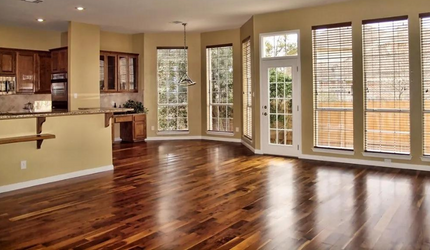
When choosing hardwood flooring, one of the most common questions homeowners face is whether to go with engineered or solid hardwood. Both options offer unique advantages, but the right choice depends on your needs, budget, and environment.
Understanding engineered vs solid hardwood flooring helps you make a confident decision that aligns with your lifestyle and long-term goals.
What Is Solid Hardwood Flooring?
Solid hardwood flooring is made from a single piece of natural wood. It is known for its authenticity, durability, and ability to be refinished multiple times.
Key Features:
- 100% natural wood
- Thick and durable
- Can be sanded and refinished
What Is Engineered Hardwood Flooring?
Engineered hardwood consists of multiple layers, with a real wood veneer on top and a plywood or fiberboard core.
Key Features:
- Layered construction
- More resistant to moisture
- Easier to install
Key Differences Between Engineered and Solid Hardwood
Understanding the differences is essential when comparing engineered vs solid hardwood flooring.
1. Durability and Strength
- Solid Hardwood: Extremely durable, long lifespan
- Engineered Hardwood: Stable and resistant to environmental changes
Engineered flooring performs better in humid conditions.
2. Moisture Resistance
- Solid Hardwood: Sensitive to moisture
- Engineered Hardwood: Better resistance due to layered design
Ideal for basements or areas with humidity.
3. Installation Process
- Solid Hardwood: Requires professional installation
- Engineered Hardwood: Easier and faster to install
Engineered flooring offers more flexibility.
4. Cost Comparison
- Solid Hardwood: Higher upfront cost
- Engineered Hardwood: More budget-friendly options
Engineered flooring is often preferred for cost-conscious projects.
5. Lifespan and Maintenance
- Solid Hardwood: Can last decades with refinishing
- Engineered Hardwood: Limited refinishing depending on thickness
Solid hardwood offers longer lifespan.
6. Appearance and Feel
Both options offer similar visual appeal since engineered flooring uses real wood on the surface.
Solid hardwood may feel more authentic underfoot.
7. Best Use Cases
Choose Solid Hardwood If:
- You want long-term durability
- You plan to stay in your home for years
- You prefer traditional flooring
Choose Engineered Hardwood If:
- You need moisture resistance
- You want easier installation
- You’re working within a budget
Which One Should You Choose?
The choice between engineered vs solid hardwood flooring depends on your specific needs.
- For longevity → Solid hardwood
- For flexibility → Engineered hardwood
Both options can enhance your home’s value and appearance.
Expert Guidance Matters
Choosing the right flooring is not just about materials—it’s about proper planning and installation.
At H&H Hardwood Floors, experts help homeowners select the best flooring option based on their space, lifestyle, and budget.
Conclusion
Understanding engineered vs solid hardwood flooring is essential for making the right decision for your home. Both options offer unique advantages, and the best choice depends on your priorities.
By evaluating factors like durability, cost, and environment, you can choose flooring that meets your needs and enhances your living space for years to come.
- By: seoteam@welcomehomesocial.com
- Category: Hardwood Floors
- 0 comment